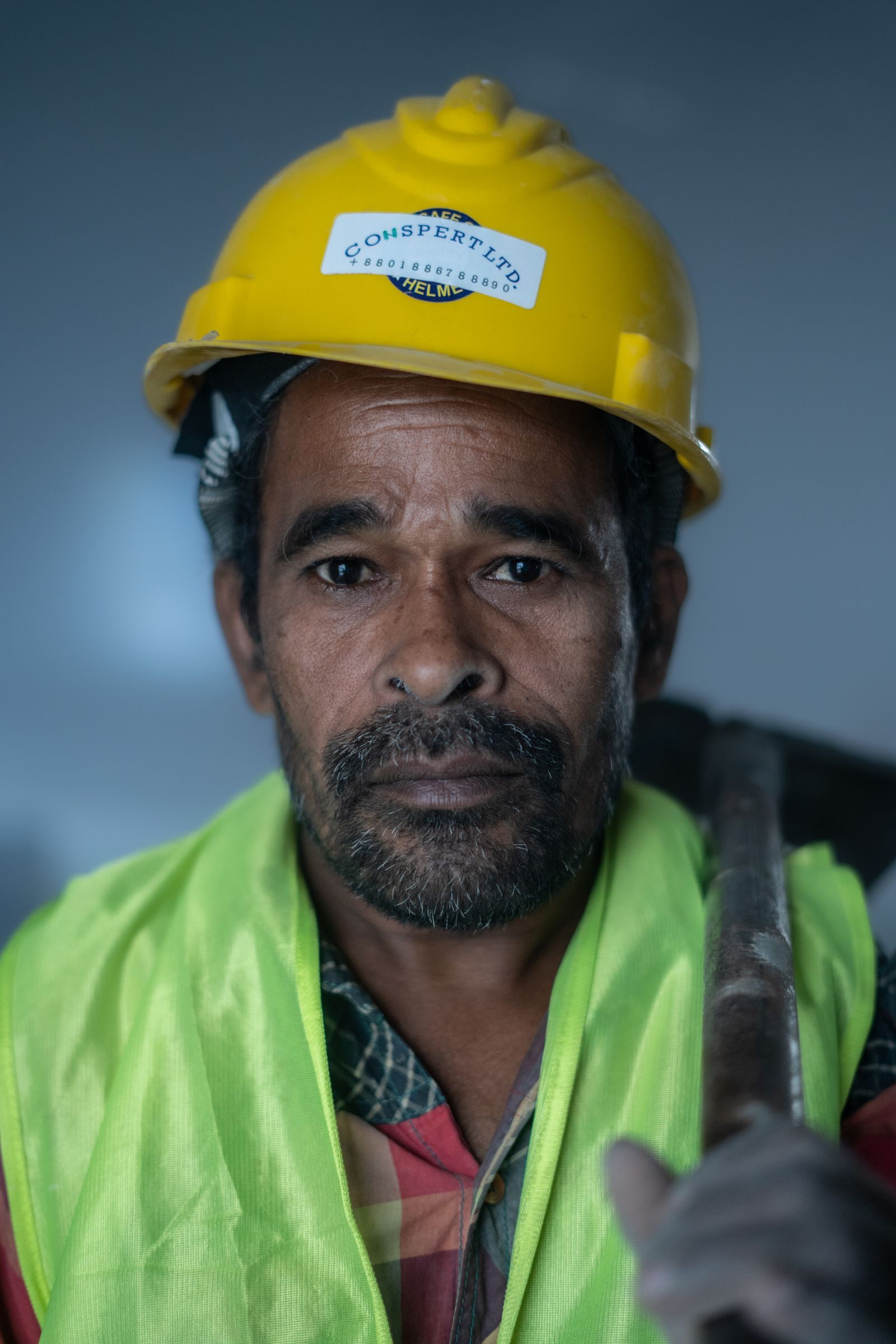
Northern Minnesota contractors are not imagining the hiring challenge. Construction is a large and growing part of Minnesota’s economy, and employers are competing for workers in the same trades at the same time. Minnesota CareerForce reports that construction firms statewide had more than 4,700 job vacancies in 2024. State projections also call for more than 10,000 additional construction jobs through 2032, on top of replacement needs created when experienced workers retire or leave the labor force.
A limited pool of experienced workers
The first pain point is simple supply and demand. A contractor may need a carpenter with framing and finish skills, an HVAC technician with the right certifications, or a concrete worker who can independently run a pour from setup through finishing. Those people are not interchangeable with entry-level applicants. Experienced tradespeople often have several options, including staying with a current employer, working independently, taking seasonal projects, or moving to industries that value the same mechanical skills.
Geography and seasonal demand
Geography makes Northern Minnesota recruiting harder. A job in Grand Rapids may be reasonable for one candidate and unrealistic for another living near Bemidji, Hibbing or Brainerd. Travel time, fuel cost, winter driving and early jobsite start times all affect the practical labor pool. A resume search that looks broad on a map can become much smaller when the commute is considered.
Seasonality creates another problem. Construction schedules accelerate as weather improves, so many employers try to add workers during the same months. If a company waits until the crew is already overloaded, it enters the market when competition is highest. That delay can affect project sequencing: the carpenter shortage holds up siding, the concrete delay shifts framing, or the missing service technician keeps equipment or building systems offline.
Look beyond applicant volume
Employers also face a quality problem, not just a quantity problem. Construction requires dependable attendance, safe work habits and honest representation of skills. A candidate who says “five years of construction” may have five years of very different experience than the role requires. Screening must get specific: What materials have you worked with? Can you read plans? What equipment have you operated? Which tools can you use without training? What certifications are current? How far will you travel?
Build a proactive recruiting pipeline
The best response is to treat recruiting like project planning. Build a candidate pipeline before the emergency. Set realistic wages and schedules. Identify which qualifications are essential and which can be trained. Move quickly when a qualified person appears. Use an evaluation-hire or project-staffing model when the workload is uncertain. For specialized roles, consider direct-hire recruiting to reach people who are employed and not actively applying online.
A staffing partner can take on sourcing, screening and candidate follow-up while the contractor stays focused on bids, schedules, customers and crews. The goal is not merely to “get applicants.” It is to reduce the operational cost of an empty position and improve the odds that the person arriving on the jobsite can contribute.
Contractors can also improve results by tracking where hires actually come from. If referrals produce dependable carpenters but generic job boards produce mostly mismatched applicants, shift effort accordingly. Keep a short list of former employees, seasonal workers and near-miss candidates who may become available later. In a regional labor market, a warm relationship can be more valuable than starting every search from zero.